

How to Get Your Suitcase Travel Ready: 12 Smart Tips
Share
Your suitcase is more than just a bag. It is the travel companion carrying everything you need for the trip ahead. A few simple checks before you leave can help you avoid last-minute repacking, excess baggage fees and problems if a checked bag is delayed.
Here are our practical tips for getting your luggage travel ready, without taking the fun out of packing!
Last reviewed April 2026. Airline baggage and security rules can change, so always confirm the current requirements with your operating airline before departure.
Before You Pack
1. Check Your Airline’s Baggage Policy
Airline baggage allowances vary by airline, fare, cabin, route and sometimes aircraft. Check the operating airline for every flight before you start packing, including the permitted size, weight and number of bags.
Measure the complete outside of your suitcase, including the wheels, handles and any expansion. Do not assume that a suitcase sold as carry-on luggage will be accepted on every flight. If your trip includes multiple airlines, pack according to the smallest allowance across your journey.
Our carry-on luggage guide explains common Australian airline limits and how to measure your case correctly.
2. Match Your Luggage to Your Trip and Packing Style
Are you a minimalist, or do you prefer a few extra outfit options? Think about your trip length, weather, planned activities, access to laundry and how much you can comfortably lift and manage.
A compact carry-on may suit a short getaway, while a medium or large checked suitcase can be more practical for longer trips. If you will be moving between trains, hotels or destinations, a lighter and easier-to-handle bag may be more useful than maximum packing space.
Not sure where to start? Read our guide to choosing the right luggage for your trip.
3. Inspect Your Suitcase Before Packing
Test the wheels, zips, lock, telescopic handle and lifting handles before you fill the bag. Empty every pocket and remove old airline tags and stickers from previous trips.
If your suitcase is expandable, remember that using the expansion changes its depth. Measure it again when expanded and avoid forcing an overfilled case closed, as this places extra pressure on the zips, seams and handles.
4. Choose Features That Genuinely Help
Look for materials, wheels, handles and compartments that suit the way you travel. Smooth wheels can make airport transfers easier, while useful internal organisation helps keep smaller items accessible.
No suitcase is indestructible, and the most expensive option will not automatically be right for every traveller. The right choice depends on your budget, destination, transport plans and packing habits.
You can compare options across our complete luggage range.
Identify and Document Your Luggage
5. Keep Your Receipt and Warranty Information
Save a digital copy of your receipt, warranty terms and the bag’s model or style number. Record the serial number as well if your luggage has one.
Warranty requirements vary between brands and products. Manufacturer warranties commonly cover specified manufacturing or material faults, but they do not necessarily cover cosmetic wear, accidental damage or every type of airline damage.
If your luggage is damaged during a flight, report it to the airline promptly rather than waiting to begin a manufacturer warranty claim.
6. Snap Photos Before You Leave
Before you set off, take a clear photo of the outside of your suitcase, including any distinctive colour, pattern, luggage tag or strap. You may also want a quick photo of the packed contents if you are comfortable doing so.
After checking the bag in, keep the baggage identification receipt provided by the airline. Your photos and baggage receipt can help you describe and identify the bag if it is delayed or damaged.
If your bag does not arrive or you notice damage, report it to the airline as soon as possible, ideally before leaving the airport. Airlines have reporting procedures and time limits, so do not leave it until the end of your trip.
7. Put Contact Details Inside and Outside
A luggage tag makes your bag easier to identify, but an external tag can still be damaged or detached.
Add a second card inside the suitcase with your name, mobile number including the international country code, and email address. For privacy, you do not need to display your full home address on the outside of the bag.
Pack Smarter Before You Leave
8. Weigh Your Bag at Home
A portable luggage scale can help you avoid overweight baggage fees and frantic repacking at the airport.
Try to leave a little room below the airline’s limit rather than packing to the exact gram. Take the scale with you so you can recheck your bags before the return flight, especially if you are bringing home shopping or souvenirs!
9. Keep Important Items in Your Carry-On
Keep your travel documents, wallet, keys, valuables, essential electronics, a change of clothes and anything you may need during the journey in your carry-on or personal item.
Carry any medication you need during the journey with you. For the remainder of your supply, consider splitting it between bags if the storage conditions and destination rules allow. Check whether you need labelled packaging, a prescription or a doctor’s letter when entering your destination.
Power banks and spare lithium batteries must travel in your carry-on baggage, not your checked suitcase. Capacity, quantity and onboard-use rules can vary, so check with your airline before flying.
If your carry-on is taken at the gate to be checked, remove batteries, medication, documents and valuables first. International security restrictions may also apply to liquids, aerosols, gels and medicines, including during transit.
10. Use Packing Cubes for Organisation
Packing cubes are a game changer for keeping your belongings organised. Separate clothing by type, outfit, destination or family member so you can find what you need without rummaging through the entire suitcase.
Standard packing cubes organise your belongings. Compression cubes can also reduce the amount of space clothing occupies, but neither type makes your luggage weigh less.
Planning a lighter trip? Our 7-day carry-on packing list includes a complete clothing list and practical space-saving tips.
11. Pack a Foldable Bag for Extra Space
Planning some shopping during your trip? A foldable duffle bag or backpack tucked inside your suitcase is handy for those “just-in-case” moments when you need more room on the return journey.
Just remember that an additional bag still counts towards your airline’s baggage allowance. Check the permitted size, weight and number of pieces before filling it, as an extra bag may need to be checked or attract an additional fee.
Explore our range of travel duffle bags.
Protect and Care for Your Suitcase
12. Protect, Clean and Store Your Luggage
Travel can be tough on luggage. A correctly fitted suitcase cover can help reduce dirt, scuffs and superficial scratches while also making your bag easier to recognise.
A cover cannot prevent every impact or type of damage, and it should not obstruct the wheels, handles or airline baggage tag.
After each trip, remove the current airline tags and stickers, empty every pocket and vacuum or wipe the interior. Clean the exterior according to the manufacturer’s instructions, clear dirt or grit from the wheels and allow the suitcase to dry fully before storing it in a cool, dry place.
At Travel Universe, we’re passionate about helping you travel smarter, with luggage and accessories suited to the way you actually travel. With the right bag and a few simple preparations, you can focus on the adventure ahead knowing you have covered the practical details.
Happy packing! 🧳 from Travel Universe, The Travel Goods Destination.
Frequently Asked Questions
How do I know if my suitcase is carry-on size?
Measure the complete external height, width and depth, including the wheels and handles. Compare these measurements with the current allowance published by your operating airline for your particular fare and flight. There is no single carry-on size or weight limit accepted by every airline.
What should I keep out of checked luggage?
Power banks and spare lithium batteries must not be placed in checked baggage. Keep travel documents, keys, valuables, essential electronics and medication needed during the journey with you.
Check CASA Pack Right and your airline before packing batteries, aerosols, sporting equipment or other unusual items.
Should I put my contact details inside my suitcase?
Yes. Place your name, mobile number with country code and email address on an internal card as a backup in case the external luggage tag becomes detached. You do not need to display your full home address on the outside.
Do packing cubes make luggage lighter?
No. Packing cubes organise your belongings, and compression styles can reduce the space clothing occupies, but the contents still weigh the same.
What should I do if my checked suitcase is missing or damaged?
Report it to the operating airline as soon as possible, ideally before leaving the airport. Keep your baggage receipt, report reference number, photos and receipts for any necessary replacement items.
If you have travel insurance, check its reporting and documentation requirements as well.


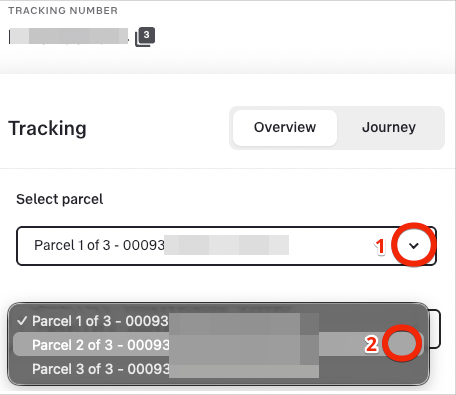 Orders containing multiple parcels can become separated during transit and therefore arrive on different days.