

Luggage Size Guide: How to Choose the Right Suitcase
Share
Choosing the right luggage is just as important as deciding what to pack. A compact carry-on may be all you need for a weekend away, while a medium suitcase, large checked case, duffle bag or travel backpack may make more sense for a longer or more active trip.
At Travel Universe, we’re here to help you compare luggage sizes and styles without assuming that one suitcase will suit every traveller. Your airline, trip length, destination, packing habits and preferred way of getting around should all influence your decision.
What Size Luggage Do I Need?
Luggage labels such as “carry-on”, “medium” and “large” are useful starting points, but they are not universal size standards. Always check the product’s complete external measurements and compare them with the baggage policy for your airline, fare, route and cabin.
Before choosing your luggage, consider:
- Your airline: Check both the size and weight allowance for your specific booking.
- Your trip length: A weekend away requires a very different amount of space from a three-week holiday.
- Your destination: Cold-weather clothing, formal outfits and specialised equipment can quickly increase your packing volume.
- Your transport: Think about stairs, trains, cobblestones, car boots and how often you will need to lift or carry your luggage.
- Your packing style: A careful outfit planner may travel comfortably with a smaller case, while an enthusiastic souvenir shopper may appreciate extra space.
Important: If your trip includes more than one airline, check every flight and pack according to the lowest allowance.
Luggage Sizes and When to Use Them
1. Carry-On Luggage
Often suits: Weekend getaways, short holidays, business travel and travellers who prefer to avoid checking a bag.
Typical size: Wheeled carry-on suitcases are commonly around 54 to 56 cm high, including the wheels. However, height is only one measurement.
For many Australian flights, 56 × 36 × 23 cm is a common maximum size for a standard overhead bag, but it is not a universal rule. The included weight and number of permitted items can also change according to the airline, fare, route and cabin.
Carry-on travel may help you avoid checked baggage charges when they are not included in your fare, skip the baggage carousel and move more easily between destinations. Just remember that a suitcase can be 55 cm high and still exceed the permitted width or depth.
Expansion can also change a suitcase’s dimensions. If you use the expandable section, measure the case again before treating it as carry-on luggage.
For detailed comparisons, read our Best Carry-On Luggage in Australia 2026 guide or browse our carry-on luggage collection.
2. Medium Checked Luggage
Often suits: Holidays of approximately one to two weeks, travellers packing for several activities or anyone who wants more room without managing the largest suitcase available.
Typical size: Medium cases are often around 61 to 73 cm high, including the wheels, although sizing varies between brands and collections.
A medium suitcase offers a practical balance between packing space and manoeuvrability. It can be easier to lift into a car boot, onto a luggage rack or up a flight of stairs than a fully packed large case.
A 23 kg checked allowance is common on some Economy fares, but it is not a general rule for every airline or booking. Some fares include less, more or no checked baggage at all. Check your booking and weigh your packed case before leaving home. Pack smart to avoid overweight fees!
Explore our checked luggage collection to compare medium and large options.
3. Large Checked Luggage
Often suits: Extended holidays, cold-weather travel, family packing or trips requiring bulkier clothing and equipment.
Typical size: Large suitcases are often around 74 to 82 cm high, although there is no universal definition.
A large suitcase provides generous packing space, but bigger is not automatically better. A large case can become heavy before it is physically full, and it may be awkward to lift, store or move through busy stations and hotels.
Airlines may apply both weight and size restrictions to checked baggage. A suitcase can therefore be under your weight allowance and still be treated as oversized. Check the complete external dimensions before travelling.
If two people are considering sharing one large case, compare that option with taking two smaller cases. Two bags may be easier to lift and allow you to split your belongings in case one is delayed. However, if your airline charges per checked bag, taking two cases may cost more, so check the baggage fees and allowances first.
4. Duffle Bags
Often suits: Road trips, active holidays, sports gear, casual weekends and travellers who prefer flexible packing.
Typical size: Duffle bags vary enormously, so compare their capacity in litres as well as their external dimensions. Small styles may work as overnight or cabin bags, while large wheeled duffles are usually intended for checked travel.
A traditional duffle is lightweight and flexible, while a wheeled duffle bag can be easier to move when you are carrying heavier gear.
Do not assume that a soft bag will be accepted as carry-on simply because it can be compressed. It still needs to stay within your airline’s permitted dimensions and weight once packed.
5. Travel Backpacks
Often suits: Multi-stop trips, public transport, stairs, uneven streets and travellers who want to keep their hands free.
Travel backpacks range from small daypacks to larger packs designed for clothing, technology and longer journeys. Check the pack’s external dimensions, empty weight, harness comfort and laptop storage rather than relying only on its litre capacity.
Some travel backpacks fit within common carry-on limits, while others need to be checked. Browse our travel backpack collection and compare each pack with your airline’s current rules.
Hard Shell or Soft Shell Luggage?
Hard Shell Luggage
Hard shell suitcases provide a structured exterior and usually open into two separate packing halves. They can be easier to wipe clean and may suit travellers carrying belongings that benefit from a more rigid case.
However, the shell itself may not offer exterior pockets, and a rigid case cannot be squeezed into a smaller space once packed.
Soft Shell Luggage
Soft shell suitcases often provide exterior pockets, flexible packing space and a traditional main compartment. They can be convenient when you want quick access to documents, a jacket or other small items.
Neither style is automatically better. The right choice depends on what you pack, how you like to organise it and whether exterior access is important to you.
Other Features Worth Comparing
- Empty weight: A lighter suitcase leaves more of your airline allowance available for your belongings.
- External dimensions: Check the height, width and depth, including wheels, handles and exterior pockets.
- Capacity: Litres can help indicate packing space, but capacity measurements may not be calculated identically by every brand.
- Four wheels or two: Spinner wheels are easy to manoeuvre on smooth airport floors, while recessed two-wheel uprights can be useful on uneven surfaces.
- Handle height: A comfortable telescopic handle matters, particularly if you are tall or will be walking long distances.
- Expansion: Extra space is useful, but expanded dimensions may exceed airline limits.
- Interior layout: Compare dividers, compression straps, pockets and how the case opens.
- Warranty: Read what is covered, not only the stated warranty length. Airline damage and normal wear may be handled differently from manufacturing faults.
Frequently Asked Questions
What is the standard carry-on luggage size in Australia?
There is no single Australian standard that applies to every airline. A suitcase around 55 cm high is commonly sold as carry-on luggage, and 56 × 36 × 23 cm is a common maximum on many Australian flights. Always check all three external measurements and the weight allowance for your specific booking.
Is every 55 cm suitcase accepted as carry-on luggage?
No. Two suitcases can both be 55 cm high but have different widths and depths. Wheels, handles, pockets and expansion must also be included when checking the dimensions.
What size suitcase do I need for a one-week trip?
Efficient packers may manage a week with a carry-on, particularly in warm weather or when laundry is available. A medium checked suitcase may be more comfortable if you need winter clothing, several pairs of shoes, formal outfits or activity-specific equipment.
If you would like to travel with one cabin bag, see our 7-Day Carry-On Packing List.
Should I choose a medium or large suitcase for a 23 kg allowance?
The weight allowance does not determine the suitcase size. Both medium and large cases can be packed to 23 kg, but a large suitcase may make it easier to exceed the limit. Choose according to the amount of space you need, then weigh the finished bag.
Can a duffle bag be used as carry-on luggage?
Yes, if its packed external dimensions and weight comply with your airline’s allowance. A soft or flexible construction does not automatically make a duffle suitable for the cabin.
Can checked luggage be oversized even if it is under the weight limit?
Yes. Airlines may apply separate weight and dimension limits. Oversize charges can apply even when the suitcase is within your purchased weight allowance.
Choose Luggage That Suits Your Journey
The right luggage is the option that works for your airline, itinerary, packing style and budget. Check the complete dimensions, allow for the suitcase’s empty weight and think honestly about how much you usually pack.
At Travel Universe, we offer carry-on cases, checked suitcases, duffle bags and travel backpacks for different journeys and travel styles. Explore our complete luggage range and compare the features that matter most to you.
Happy travels from Travel Universe, The Travel Goods Destination.


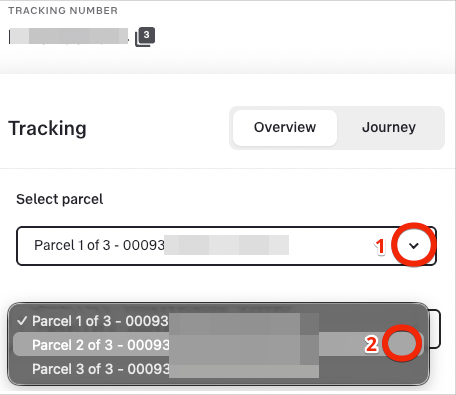 Orders containing multiple parcels can become separated during transit and therefore arrive on different days.