

How to Beat Jet Lag: 7 Smart Tips for Long-Haul Flights
Share
For Australians, travelling to Europe, North America and other long-haul destinations often means crossing several time zones before the holiday even begins.
Jet lag can leave you wide awake at night, exhausted during the day and struggling to enjoy the first part of your trip. While there is no instant cure, a few well-timed changes to your sleep, light exposure, meals and caffeine can help your body adjust more smoothly.
One thing many travellers do not realise is that sleeping as much as possible on the plane is not always the answer. The goal is to begin following the time at your destination.
What Is Jet Lag?
Jet lag is a temporary sleep disorder caused by travelling quickly across multiple time zones. Your internal body clock, also known as your circadian rhythm, remains aligned with the time at home while your destination is operating on a completely different schedule.
Common jet lag symptoms include:
- Difficulty falling asleep or waking at the right time
- Daytime tiredness
- A heavy, sluggish feeling in your head and body
- Poor concentration and slower thinking
- Changes in appetite or digestion
- Irritability or changes in mood
- Feeling wide awake in the middle of the night
Jet Lag vs Travel Fatigue
Jet lag and travel fatigue are not exactly the same thing.
Jet lag is caused by crossing time zones. Travel fatigue can happen after any long journey and may be caused by missed sleep, sitting for extended periods, disrupted meals and the general stress of travelling.
After a long-haul flight, you may be experiencing both.
7 Smart Ways to Reduce Jet Lag
1. Adjust Your Routine Before You Leave
If possible, begin shifting your sleep schedule two or three days before departure.
Travelling east? Try going to bed and waking up 30 to 60 minutes earlier each day.
Travelling west? Move your bedtime and wake-up time slightly later.
You do not need to match your destination completely. Even a small adjustment can make the change feel less abrupt.
Do not sacrifice sleep to achieve it, though. Beginning a long-haul journey already exhausted may make the first few days more difficult.
2. Use Daylight Strategically
Natural daylight is one of the strongest signals your body uses to regulate sleep and wake times.
After travelling east, morning daylight can help move your body clock earlier. After travelling west, late-afternoon or early-evening light can help move it later.
Spend time outdoors after you arrive, even if the weather is overcast. Outdoor daylight generally provides a much stronger signal to your body clock than ordinary indoor lighting.
The best light timing can become more complicated after crossing numerous time zones. If you have an important event or a particularly difficult itinerary, a personalised jet lag planning app may help you work out when to seek or avoid bright light.
Do not use your phone or laptop screen as a replacement for daylight, particularly close to bedtime.
3. Start Following Destination Time on the Plane
Change your watch and phone to your destination time after boarding. This gives you a useful guide for when to eat, sleep and remain awake.
Try to sleep if it is nighttime at your destination. If it is daytime there, staying awake may make it easier to adjust after landing.
An eye mask, earplugs and a supportive travel neck pillow can help create a more comfortable sleep environment.
For travellers who prefer fewer loose accessories, the AVIONLUX Dream Premium Travel Hoodie has a built-in eye mask, a deep hood and seven thoughtfully placed pockets for keeping travel essentials close.
After arriving, keep any naps short. Around 20 to 30 minutes can improve alertness without making it much harder to sleep that night. Try to finish your nap at least four hours before bedtime.
4. Stay Hydrated and Time Your Coffee Properly
Aircraft cabins have low humidity, so keep water nearby and drink regularly throughout the flight. There is no need to follow a strict “one cup every hour” rule. Your needs will depend on the journey, your body and what else you are drinking.
Limit alcohol because it can disrupt sleep quality and leave you feeling worse after landing.
Travel tip: Do not automatically have coffee just because it is being served on the flight. Check the time at your destination first. If it is morning there, coffee can help you stay alert as you begin adjusting. If it is close to bedtime, skip it so it does not work against the sleep schedule you are trying to create.
This is also a good reason to bring your own light snacks rather than relying entirely on the timing of the airline meal service.
5. Keep Moving During and After the Flight
When it is safe to do so, stand, stretch or walk around the cabin regularly. Movement will not reset your body clock on its own, but it can help reduce stiffness and improve your general comfort during a long flight.
After landing, take a gentle walk outdoors if you can. This combines movement with natural daylight, while the fresh air may help you feel more alert.
Avoid doing an intense workout close to your new bedtime. A light walk or gentle stretching is usually a better first-day option.
6. Switch to Local Meal Times
Begin eating according to your destination’s schedule as soon as practical. Meal timing gives your body another clue that it is operating in a new time zone.
Choose smaller, familiar meals during the journey if heavy food tends to affect your sleep or digestion. Avoid forcing yourself to eat a large meal simply because it has been served.
Breakfast can be a useful anchor after arrival. Even if you are not particularly hungry, getting up, finding daylight and having something small at the local breakfast time can help establish the rhythm of your first day.
7. Protect Your First Night and Morning
Try to remain awake until a normal local bedtime on your first day. There is no need to force yourself to stay awake until exactly 9 or 10 pm. Aim for a bedtime that fits the schedule you want to follow for the rest of the trip.
Keep your room as dark as possible overnight and set an alarm for the next morning. Sleeping late may feel tempting, but it can keep your body clock operating on home time.
Get outside reasonably early the following day and avoid spending the entire morning in a dim hotel room.
If you are travelling for a wedding, business meeting, sporting event or another important occasion, consider arriving at least two days early. This gives your body time to adjust before you need to perform at your best.
For a very short trip of only two or three days, it may sometimes be easier to remain closer to your home schedule rather than fully adjusting and then changing back again.
How Long Does Jet Lag Last?
Many travellers begin to feel better within two or three days, but jet lag can last longer after crossing numerous time zones.
The idea that recovery always takes exactly one day per time zone is only a rough rule of thumb. The direction of travel, your usual sleep pattern, arrival time, age and exposure to daylight can all affect how quickly you adjust.
Eastward travel is often more difficult because most people find it easier to stay awake later than to fall asleep earlier.
If your symptoms are severe, continue well beyond the trip or frequently interfere with your travel, speak with your doctor or a sleep specialist.
Does Melatonin Help With Jet Lag?
Melatonin may help some adults adjust their sleep timing, but when you take it matters. Taking it at the wrong time may work against the adjustment you are trying to make.
It can also cause side effects and may interact with certain medicines or health conditions. In Australia, speak with a pharmacist or doctor about whether melatonin is suitable for you and when it should be taken.
Avoid trying an unfamiliar sleeping medicine for the first time during a flight. Sleeping medicines can cause side effects, prolonged drowsiness or confusion, and they do not necessarily help reset your body clock.
If you take regular medication, ask your doctor or pharmacist before travelling whether the timing of your doses needs to change across time zones.
Frequently Asked Questions
What is the fastest way to recover from jet lag?
There is no instant cure. Following local sleep and meal times, using daylight strategically, staying hydrated and keeping naps short can help your body adjust.
Is jet lag worse when flying east or west?
Jet lag is often more difficult after flying east because your body must adjust to an earlier bedtime. Individual experiences, departure times and flight schedules still vary.
Should I sleep during a long-haul flight?
Try to sleep when it is nighttime at your destination. If it is daytime there, remaining awake may make it easier to adjust after landing.
Can a short nap help with jet lag?
Yes. A nap of around 20 to 30 minutes may improve alertness without interfering as much with your nighttime sleep. Avoid turning a short nap into several hours of afternoon sleep.
Does drinking water prevent jet lag?
Water cannot prevent jet lag because it does not reset your body clock. However, staying hydrated can help prevent dehydration from adding to tiredness, headaches and general travel fatigue.
Can jet lag be completely prevented?
Not always. Jet lag is a natural response to rapidly crossing time zones, but planning your sleep, daylight exposure, meals, caffeine and first day can reduce its effects.
Does jet lag affect your stomach?
It can. Your digestive system also follows daily rhythms, so jet lag may cause changes in appetite, nausea, constipation or other digestive discomfort while your body adjusts.
Make Your First Day Count
The aim is not to achieve perfect sleep on every flight. It is to give your body clear and consistent signals about when it should be awake, eating and resting.
Start following your destination’s clock during the journey, use daylight wisely and resist the temptation to lose your first afternoon to a long nap. A few small decisions can make a noticeable difference to how quickly you begin enjoying your trip.
Preparing for a long-haul journey? Read our guide to the 12 Must-Have Travel Accessories for more practical in-flight essentials.
Have you experienced jet lag? What helps you adjust after a long-haul flight? Let us know in the comments! ✈️🌍
This article provides general travel information and is not a substitute for personal medical advice. Speak with a doctor or pharmacist before using melatonin or sleeping medicines, or changing the timing of regular medication.


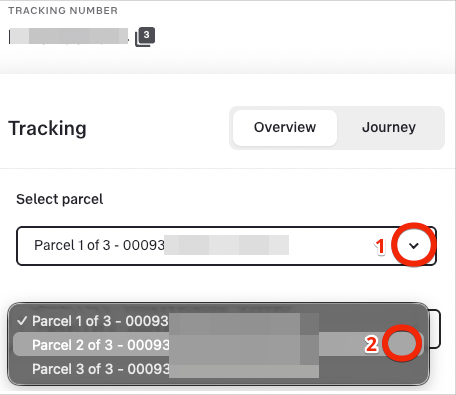 Orders containing multiple parcels can become separated during transit and therefore arrive on different days.